

Your Ergonomic Office Chair Buying Guide
Choosing the right ergonomic chair can be overwhelming with so many options. What’s the point of inflatable lumbar cushions? What could a mesh backrest bring to the table?
 Why Should I Get a Personalised Office Chair?
  What to Consider When Buying an Ergonomic Chair?
  Why Should I Choose Ergonomic Chairs Direct?
 Your questions prompted us to create this all-encompassing Ergonomic Office Chair Buying Guide. We aim to provide the answers you’re looking for.
Here is what you’ll find in this buying guide:
- Why Should I Get a Personalised Office Chair?
- Benefits of Ergonomic Office Chairs
- What to Consider When Buying an Ergonomic Chair?
Sizing (Upper back and Shoulders)
Back Support
Seat Depth
Height Adjustability
Quality
Reviews - Just a few Recommendations
- Why Should I Choose Ergonomic Chairs Direct?
- Health & Posture Guidance
Why Should I Get a Personalised Office Chair?
A personalised office chair is designed to align with your unique body shape and size. It works with, and as, an extension of your body. Moving with you as you work, it supports and gently corrects, encouraging you to sit correctly. Your individual postural and health requirements, measurements, size, shape, workstation, work hours and natural spine curvature are all considered throughout the design process. This makes for an optimally customised product to help and correct.
Our chairs are all designed by health professionals to ensure we achieve the best possible designs for our corrective and preventative seating solutions.
Benefits of Ergonomic Office Chairs
Standard office chairs are not corrective seating solutions. They don’t include the extensively adjustable components built into ergonomic office chairs. An ergonomic chair will have both standard and customisation options including:

Seat Tilt Adjustment
Seat Tilt Adjustment
Easily adjust the seat angle to find the ideal position for your body type. Forward tilts encourage natural spinal alignment, reduces back pain and improves your posture. A seat tilt adjustment eases stiffness and discomfort, keeping you comfortable and focused during long tasks.

Seat Height Adjustment
Seat Height Adjustment
Adjust your seat height for personalised comfort, allowing your feet to rest flat on the floor or footrest. This supports your natural posture, reduces back strain and promotes a 90-degree angle at the knees. Perfect for accommodating different body types and maintaining ergonomic alignment whilst sitting.

Headrest Height Adjustment
Headrest Height Adjustment
The headrest height adjustment provides targeted support for your neck and head, reducing strain on the cervical spine. This feature relieves tension in your neck, shoulders and upper back, improving comfort and minimising any distractions caused by pain.

Inflatable Lumbar Support
Inflatable Lumbar Support
This is a feature that can not only improve your day-to-day posture but can prevent back pain altogether. The inflatable lumbar cell adjusts to fit the natural curve of your spine. Operated by an inflation bulb, it relieves pressure on your lower back. This reduces stress on your body.

Backrest Angle Adjustment
Backrest Angle Adjustment
A simple component, such as a backrest angle adjustment can relieve strain on your sit bones and improve circulation. Reclining the backrest angle reduces pressure on your spine by redistributing weight, helping prevent soreness

Backrest Height Adjustment
Backrest Height Adjustment
A height adjustable backrest helps you sit up straight, improving circulation and reducing discomfort from slouching. It lets you switch positions throughout the day, preventing stiffness. Perfect for staying comfortable and focused while you work or relax.

Inflatable thoracic support
Inflatable Thoracic Support
Increases the contact area of the upper spine by filling the space between your shoulder blades. The triangular air cell encourages an upright posture, preventing slouching and reducing neck and shoulder pain. Flat when inactivated it’s easily operated with an inflation bulb, helping you stay supported and relaxed throughout the day.

Coccyx cut out
Coccyx Cut Out
This thoughtful design provides a discrete solution to your coccyx pain. The seat cushion features a special cut-out to relieve pressure on your tailbone. The design delivers comfort without trapping dirt or dust.

Air flow pressure sensitive seat
Air Flow Pressure Sensitive Seat
The dual-chamber air cell adapts with your movements, providing cushioning to reduce sciatic pain and improve core strength. It balances pressure and support while relieving lower back, hip and sciatica pain. This feature also improves posture and supports the pelvis and glutes.

Performance Foam (Memory Foam) Seat
Performance Foam (Memory Foam) Seat
Pressure-sensitive foam moulds to your body, offering comfort and support by relieving pressure on your buttocks, thighs and back. It adapts to your position and maintains its shape over time, making it a durable choice for long-term sitting comfort.

Polished Base
Polished Base
Not only does it increase the aesthetic appearance of your chair, a polished base is recommended for users in excess of 115kg.

Seat depth adjustment
Seat Slide / Seat Depth Adjustment
The seat slide allows you to adjust the seat depth, to optimise contact with the backrest. This reduces pressure on your thighs and knees, as weight is spread across the seat rather than transferred to your legs. It’s perfect for shared or hot-desking spaces, with adjustments ranging from 50mm to 125mm.

Flex Front Seat
Flex Front Seat
The Flex Front Seat is hinged along the front edge of the seat. It reduces pressure behind your knees and encourages forward tilt. This motion activates your core muscles and can lead to increased muscle activity in the stomach, hips and back areas.

Armrests to suit different postural requirements
Armrests to Suit Different Postural Requirements
Ergonomic armrests reduce strain on your arms, hands, neck and shoulders while supporting posture and preventing back issues. They ease getting up, delay fatigue and reduce spinal load by up to 10%.

Height-Adjustable Armrests
Height-Adjustable Armrests
Adjustable armrests fitted to height, width and pivot are more likely to support your body type and posture properly.

Adjustable Tension Control
Adjustable Tension Control
Adjustable tension control lets you customise recline resistance to suit your body weight and preferences. Ideal for shared spaces, it means everyone can set the chair to their comfort, for ease of movement and ergonomic support.

Synchronised Balance Controls
Synchronised Balance Controls
This synchronised mechanism moves the backrest and seat together at a 2:1 ratio, letting the backrest recline while the seat tilts less. This supports natural movement, keeping you comfy and your spine aligned.

Alternative castors
Alternative Castors
Keep chairs locked in place with stationary castors. They prevent accidental movement and keep your chair steady, so you remain focused and professional.

Alternative gas height stems
Alternative Gas Height Stems
This feature means you can adjust your chair height for users of all sizes, from petite to tall. With wider height ranges, one chair can adapt to multiple users or work setups. Perfect for shared spaces.
It is important to achieve maximum comfort and support during long working days. This is so your chair can be fully adjusted to provide permanent contact and superior support to your musculoskeletal system. Our needs change throughout the working day, as we fatigue.
Over time requirements also change. This adjustability and flexibility ensures you can adjust your chair hourly, daily or weekly to suit your ever-changing needs and postural requirements. It ensures comfort, support, longevity and value for money.
At Ergonomic Chairs Direct, we categorise our chairs based on range, size, type, sectors and health conditions so you can quickly discover which chairs best suit you.
Furthermore, you’ll see a list of customisation options you can apply to your chair on each product page. You can find an add on to easily target your personal postural difficulties.
What to Consider When Buying an Ergonomic Chair
Sizing
Firstly, you should consider your unique body size and shape. One size doesn’t fit all and you need to start with the correct size of chair to suit your requirements. An ergonomic chair is an investment. There is a benefit to buying a chair with as many adjustable features and customisation options as possible. You might not need all of them currently, but an ergonomic chair is a tool to help with your long-term musculoskeletal and postural health.
The most common issue for sedentary workers is backache. Lower back problems and lumbar pain is a huge problem for many office workers. This is because we tend to sit for long periods without moving. Our backs are fixed in one position. An office chair with an independent back mechanism can help with this. The ‘free float’ mechanism ensures the backrest moves with you as you move. It remains in permanent contact with your back to support as you move, gently allowing supported corrective movement.
Adding an inflatable lumbar allows you to fine tune the lower back support to your personal and changing needs and achieve greater contact area with the backrest.
In addition, if you are suffering from upper back or shoulder problems, a chair with an inflatable thoracic support can help to relieve pressure and tension. An inflatable thoracic cell increases pressure between the shoulder blades. It helps ensure you sit upright with an open chest and shoulders back to help stop forward slouching.
This is a big problem for many desk workers. Slouching not only causes upper back shoulder and neck pain and tension, but it creates a ‘bulge’ in your lower back and lumbar area. This creates a misalignment of the natural ‘S’ shape of your spine.
Back Support
Back support is an integral part of a well-made office chair and sculpted back support is an important element. It will provide spinal support throughout the day and distribute weight throughout your body to help stop side leaning or slouching. When your body weight is evenly balanced, you avoid triggering localised pressure points and worsening back pain over time.
You can achieve enhanced back support and greater contact area with the backrest with inflatable thoracic and lumbar supports. Headrests are an addition to relieving upper back shoulder and neck pain. They are increasingly helpful as we spend long hours on Zoom and Team’s meetings. They are height and tilt adjustable to achieve the support you need.
Our chairs with mesh backs, have a host of great benefits:
- Soft and flexible but sturdy: a mesh backrest encourages the natural curvature of your spine.
- The flexibility of the mesh ensures it supports the entire back instead of simply a few key areas.
- Breathable, the ventilated mesh material helps regulate your body temperature throughout the day.
Upholstered backrests take their shape from the shaped and steamed ply inner that is covered with ergo high-density foam, moulded to fit, and upholstered. They are corrective, encouraging your back into the optimum position as you work. Inflatable lumbar and thoracic cells can be added to increase comfort and contact area.
Seat depth
When you consider buying a new office chair, if you only check one measurement then this is the one! Your seat must be the correct depth to suit your individual body size. Smaller users will need a seat with a smaller seat depth to allow them to fully engage with the backrest without pressure behind the knees. Ideally, there should be a 2-3 finger gap from the front of the seat to the back of your knees. Too deep and they end up ‘perching’ on the seat, using it like a stool and getting no support from the backrest.
For taller users, a deeper seat is required to achieve optimum thigh support.
Height Adjustability
Discomfort is distracting. But unlike the neck twinge you feel immediately after waking up from sleeping uncomfortably, the consequences of incorrect sitting tend to creep up on you.
The height of your office chair can have a slow but severe impact on your spine, hips and knees as you force your body into cramped and unnatural positions.
Seat height is a crucial adjustment. Your chair needs to be adjustable to suit your height and the height of your desk to allow you to work comfortably and with the correct support. Your wrists should be rested on the worksurface, feet flat on the floor and knees at 90 degrees to achieve an ‘open’ pelvis. Your knees should be slightly lower than the hips. This helps to re-align the lumbar into its natural ‘S’ shape.
Your ideal seat height should fall within the parameters of the chair measurement to give you some ‘fine tuning’ adjustment. This is particularly important if you share your chair. If your seat height is lower or higher than the chair measurement, you will need to select a shorter or longer gas stem. We have sizes from 5” to 12!
Quality
Your office chair is an investment in your health and future productivity. If budget allows it should be future proofed with adjustable features.
Your chair needs to be sturdy and robust. Our quality standards and checks ensure our chairs comply with all British Standards for safety, strength and stability, performance, dimensions and flammability, . But if it’s poorly made, you won’t experience its most helpful benefits.
The more adjustable your chair is, the better. At Ergonomic Chairs Direct, we work alongside licensed physiotherapists to design products that meet and exceed the standards set for specialised chairs. This means paying close attention to every part of your chair and ensuring they can be moved as part of a system or independently.
All materials and components the seat and backrest are made of can impact the lifespan of your chair. From the foam in the seats to the upholstery that covers the backrest, lower-quality materials will deteriorate faster.
Our ergonomic chairs use 100% polyester, which is more durable than other materials. They last longer, maintain their shape and appearance, and are more resistant to tearing and fraying.
Reviews
We’re very proud of the glowing reviews our customers leave about our products. And we always recommend prospective customers to read our reviews, so they can see first-hand accounts about the quality of our products and customer service.
You can also “Sort By” on each of our category pages, so you can discover our most popular products, their average rating, and sort by price to ensure your chair suits your budget.
Just a few Recommendations
Best Office Chair for Back Pain
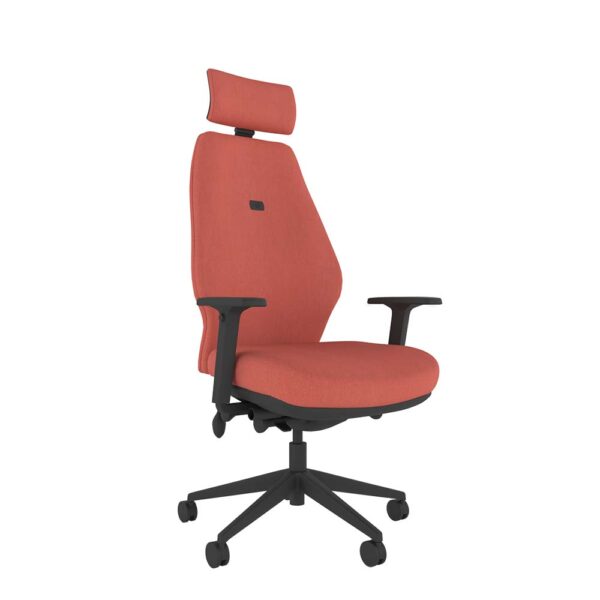
Best Office Chair for Sciatica
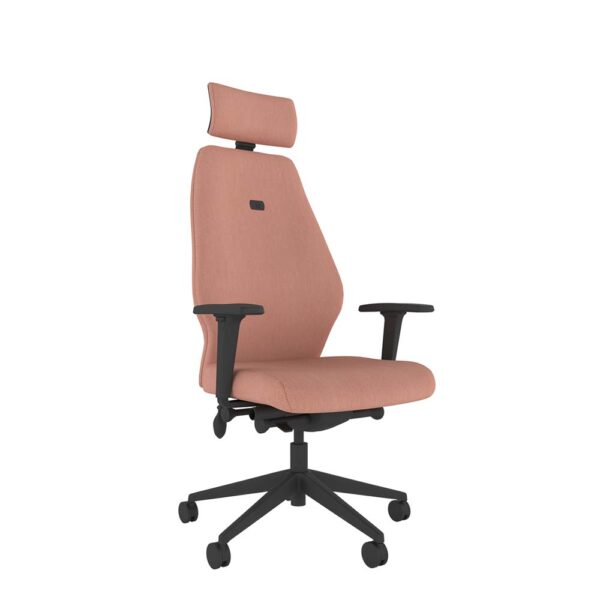
Best Office Chair for Upper Back Pain
-
-10%
 20+ fabric options
Ergo Express Elite Ergonomic Office Chair
Original price was: £350.00.£315.00Current price is: £315.00. + VATSave £35
Customise & BuyHeavy duty mechanism
Seat slide with 75mm of travel
Upholstered posture backrest for lumbar & thoracic support
Lockable body balance synchronised controls
Single lever tilt adjustment
Express Delivery
Best Office Chair for Lumbar Support
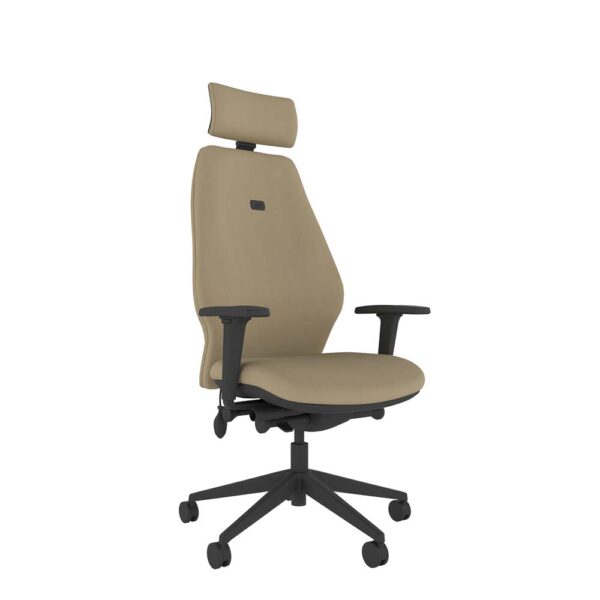
Best Office Chair for Leg Pain

Best Office Chair for Coccyx Support
-
 60+ fabric options
Elite Medium Back Ergonomic Office Chair
£360.00 + VATCustomise & BuyHeavy duty synchronised 24/7 chair mechanism
Independent tri curved corrective backrest with height and angle adjustment
Integral seat slide with 75mm travel, seat tilt and flex frot seat to aid circulation
Adjustable body tension control
Inflatable lumbar support
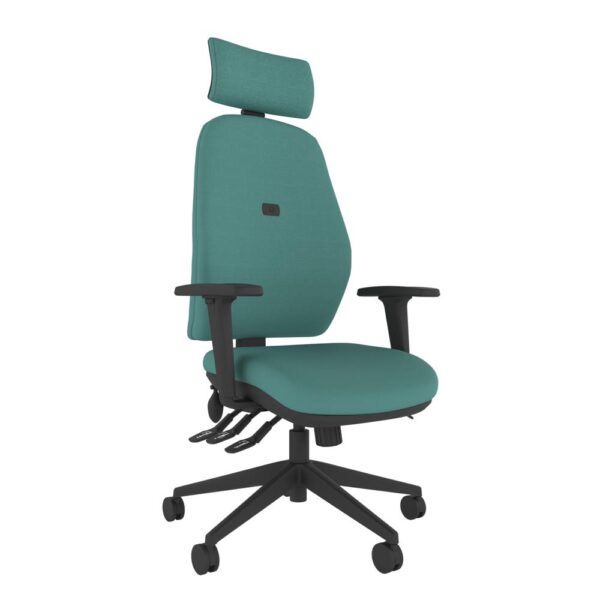
Specific User Needs

Offices and Business
In fast-paced office environments, people are at their desks for hours seated in back-to-back meetings or preparing detailed reports. The right chair needs to do more than just look smart; it should support comfort, posture and productivity all day long.
Core Requirements:
✔ Long-term Comfort: Chairs must support daily use for 8 to 10 + hours.
✔ Durability: Materials and construction should last years, especially under regular use.
✔ Adjustability: Ability to customise the chair for posture, movement and comfort.
✔ Ergonomics: Support for natural body movement and spinal alignment.
Suggested Ranges:
- Ergo Positive Plus:This models adaptability, making it ideal for teams where chairs are shared across different shifts or desks by multiple people with varying postures and body types.
- Ergo Elite or Ergo Excellence: These chairs are built for intensive 24/7 use and come with superior cushioning and back support, making them a worthwhile long-term investment for overall staff wellbeing and productivity.
These ergonomic chairs are a worthwhile long-term investment for businesses and office workers to improve overall staff wellbeing and productivity.

Healthcare and Clinical Environments
Healthcare staff are constantly on the move, switching between sitting, standing and sprinting to their next task. When they do get a moment to sit, their chair needs to be just as hard-working, reducing fatigue and musculoskeletal strain.
Core Requirements:
✔ Mobility: Chairs should allow for easy repositioning during fast-paced clinical tasks.
✔ Height Adjustability: Accommodates various user heights and clinical procedures.
✔ Hygienic Design: Easy-to-clean materials and antimicrobial surfaces.
✔ Supportive Comfort: Prevents fatigue and strain during documentation or consultations.
Suggested Ranges:
- Ergonomic Positive Plus: This range offers body-responsive features and flexible sizing to suit staff with different needs during long or high-pressure shifts.
Well-designed healthcare seating not only improves comfort but also helps prevent fatigue and injury among professionals in fast-paced clinical environments.

Chronic Back Pain
If you’re living with chronic back pain, the wrong chair can make every minute at your desk feel like an uphill battle. In these cases, ergonomic support is essential rather than optional. You need a chair designed with spine health in mind that can dramatically reduce back pain and improve mobility over time.
Core Requirements:
✔ Advanced Lumbar Support: Customisable or inflatable lumbar features to support natural spine curvature.
✔ Independent Adjustments: Separate controls for seat tilt, back angle and height to accommodate user-specific needs.
✔ Posture Correction: Features that promote upright sitting without forcing unnatural alignment.
✔ Pressure Relief: Contoured seating and dynamic support to reduce discomfort during long periods.
Suggested Ranges:
- Ergo Custom: Designed for users with clinical or chronic conditions, this chair allows precise adjustment to your body’s measurements and specific pain areas.
- Elite High Back: Provides additional lumbar and upper back support, ideal for those suffering from sciatica, herniated discs or upper thoracic tension.
- Ergo Elite: Combines full-body adjustability with posture-correcting mechanics for long-term relief.
A well-matched ergonomic chair is an important part of managing chronic pain and preventing further injury.

Petite or Tall Body Frames
Not all chairs fit all people. For petite and tall individuals, using a standard chair can lead to poor posture, fatigue and discomfort. Whether you’re under 5’3″ or over 6’2″, the right chair should support your frame, not fight it.
Core Requirements:
✔ Height-Appropriate Adjustments: Cylinder height, seat depth and backrest sizing must suit the user’s body.
✔ Custom Fit: The chair should accommodate smaller or longer leg lengths without compromising posture.
✔ Spinal Support: Proper lumbar alignment that matches torso length.
✔ Comfort without Compromise: No overextension or crowding of limbs.
Suggested Ranges:
- Petite Elite: Specifically engineered for smaller frames with shorter seat depth and a lower gas lift to ensure feet touch the ground.
- Ergo Custom: Built-to-order to match your body measurements, offering the best ergonomic fit for both petite and tall users.
- Elite High Back: Offers tall users full upper back and neck support with generous seat proportions.
Choosing the right size chair for your body type helps promote good posture and long-term health.

Gaming and Creative Work
If you’re spending hours in front of a screen gaming, editing, designing or deep in creative mode, your chair is basically your command centre. Slouching on a worn-out chair at 1am mid-boss fight is a one-way ticket to back pain. You need a chair that supports your focus, moves with you and still feels good after a five-hour gaming session.
Core Requirements:
✔ Dynamic Lumbar Support: Adaptive to your posture, whether you’re leaning in or laid back.
✔ Custom Armrests: Adjustable armrests reduce strain during repetitive tasks.
✔ High-End Endurance: Materials should remain supportive over long hours.
✔ Multi-Functionality: Ideal for both focused work and moments of rest.
Suggested Range:
- Ergonomic Playa One: Designed specifically for gamers and long-hour users, these chairs combine contoured backrests and include height and tilt adjustments to keep your spine and focus aligned.
If you’re going to sit for hours building worlds or beating levels, your chair shouldn’t be the thing holding you back.
Why Should I Choose Ergonomic Chairs Direct?
We have over three decades of experience revolutionising workplaces and homes with our physiotherapist-approved ergonomic chairs. We use only the highest quality materials to ensure strength, longevity and genuine ergonomic support which targets your concerns.
We offer next-day and express delivery to guarantee you receive your order as soon as possible. We also provide a “White Glove” delivery service, where we travel to you and assemble your chair for you.
We prioritise ease and comfort, so you can rest assured you’ll receive no less than the best customer service from us.
If you have any questions, please visit our FAQs page or contact us to get in touch directly!

Health & Posture Guidance
You might not think your chair has an effect on your health, but it has a bigger impact than you realise. Poor posture leads to back pain, neck ache and ongoing muscle strain, and all of that often starts with how you sit and what you sit on. If your office chair does not fit your body properly, problems build up over time and can quickly lead to stress and tension affecting you in the workplace and at home.
Who might benefit health-wise from an ergonomic office chair?
Ergonomic chairs are the best choice of seating to keep you mobile and supported. They are particularly beneficial for anyone suffering from an existing health condition, aches, pain or posture-related issues, helping to reduce strain and improve support. Ergonomic chairs are also preventative and corrective. They can help prevent problems from developing in the first place by encouraging healthier sitting habits.
An ergonomic chair can be especially helpful if you:
✔ Suffer with back pain or lower back stiffness
✔ Experience neck and shoulder tension
✔ Have sciatica or nerve-related discomfort
✔ Have coccyx or tailbone pain when sitting
✔ Work long hours at a desk or from home
✔ Have joint or muscle pain that worsens when seated
✔ Are recovering from an accident, injury or fall
✔ Feel stiff or uncomfortable after sitting for long periods
✔ Notice your posture worsening as the day goes on
How Ergonomic Chair Features Support Your Spine
All ergonomic office chair features work together to keep your spine aligned or to support your posture, which in turn helps your spine.
✔ Lumbar supporthelps maintain the natural curve of your lower back and prevents slouching.
✔ Seat height keeps your feet flat on the floor and your hips in a balanced position.
✔ Seat depth supports your thighs without pressing behind the knees, improving circulation.
✔ Seat tilt helps position your pelvis correctly and reduces pressure on the lower back.
✔ Backrest angle supports your upper body and reduces strain on the spine.
✔ Armrests allow your shoulders to relax and reduce tension in the neck and upper back.
How to Adjust Your Ergonomic Chair Correctly
How to Adjust Chair Height
Sit with your feet flat on the floor. Adjust the height so your knees are level with or slightly lower than your hips. Your thighs should be supported without pressure under the knees.
- Knees should be at a 90 degree angle
- Do not cross your legs
- Use a footrest if necessary
How to Adjust Seat Depth
Sit back fully into the chair. Adjust the seat so there is a gap of about two to three fingers between the edge of the seat and the back of your knees.
- Do not let the seat press into the backs of your legs
- Make sure your thighs feel evenly supported
- Recheck this after long periods of sitting
How to Adjust Lumbar Support
Position the lumbar support so it fits into the natural curve of your lower back. It should feel supportive but not push you forward. Your spine should feel upright and relaxed.
- Sit fully back so the support can work properly
- Avoid slouching away from the backrest
How to Adjust Backrest Tilt
Set the backrest so you can lean back slightly while still being supported with a ‘shoulders back, chest open’ posture. This takes pressure off the spine, shoulders and neck and encourages healthy movement.
- Use a gentle recline for desk work
- Change angle during the day to avoid stiffness
- Avoid locking into one position for too long and keep the backrest on ‘free float’ for supported movement
How to Adjust Armrests
Adjust so your elbows rest lightly at your sides. Your shoulders should feel relaxed and not lifted.
- Keep arms close to your body
- Do not lean your full weight on the armrests
Posture tips for long hours sitting:
- Sit fully back in the chair at all times
- Do not cross legs
- Keep items you use often within easy reach
- Change position every 20 to 30 minutes
- Stand and stretch at least once every hour
- Roll your shoulders and open your chest when standing
These small adjustments make a big difference. Alongside ergonomic features, they help your chair support your body properly and reduce strain through the day.
Desk/Monitor set-up
Once your chair is adjusted, check your desk setup.
- Elbows should sit level with the desk surface
- Wrists should stay straight and supported when typing
- Screen should be at eye level
- Screen should be about an arm’s length away
Why is Stretching Important When Using an Ergonomic Chair?
As a desk worker it is easy to get so focused on your work that you forget about how you are sitting. We often push through tasks and put comfort to one side without realising it. This is what can lead to stiffness, fatigue and muscle strain.
If you spend most of your day at a desk, taking short breaks really matters. Standing up, stretching and having a quick walk around helps reset your posture. It gets your blood moving again and releases built-up tension in your back, neck and shoulders.

Quick Desk Stretches to Break Up Sitting
Overhead reach – Sit tall, raise one arm overhead and reach up, then switch sides. This opens your sides and shoulders.
Shoulder raise – Clasp your hands above your head and push up gently. This releases tight chest muscles and shoulder tension.
Forward chest stretch – Clasp your hands behind your back and push your chest forward. This helps counter rounded shoulders.
Torso stretch – Reach both arms out and lean forward slightly. This loosens the upper back and shoulders.
Hip and knee twist – Stand or sit, and twist gently from the hips to each side. This eases stiffness around hips and lower back.
Hamstring stretch – Sit, bring one knee toward your chest and hold. This lengthens the back of the legs and reduces lower back pull.
Neck and trap release – Lower shoulders, tilt your head gently to each side and hold. This reduces neck tightness.
These are simple movements you can do at your desk to help undo hours of static sitting. Learn more here: Best Desk Stretches You Can Do in the Office